The HPP (High Pressure Processing), or high hydrostatic pressurehas become a solution increasingly demanded by the food industry due to its ability to extend product shelf life, ensure food safety and maintain freshness without the need for preservatives or heat.
However, its implementation requires a strategic assessment of several key factors to ensure that the investment is cost-effective and fits the needs of the business.
Initial investment: how much does it cost to incorporate HPP?
One of the first questions asked by companies interested in high-pressure processing is: what is the investment required?
- Equipment cost: Industrial HPP systems vary in size and capacity, but the investment can range from 300,000 to more than 1 million euros, depending on the desired production volume.
- Auxiliary infrastructure: in addition to the main equipment, it is necessary to consider installation costs, hydraulic systems, reinforced power supply and cooling systems.
Recommendation: carry out a profitability study projecting savings in wastage, extension of product shelf life and possible access to new markets.
Operating costs: maintenance and energy consumption
Although HPP technology is efficient and safe, it also entails operating costs that must be evaluated:
- Energy consumption: each processing cycle requires a large amount of energy to reach pressures of up to 6,000 bar. The cost varies according to the number of daily cycles.
- Technical maintenance: HPP equipment requires preventive maintenance and periodic overhauls, especially on hydraulic and pressure components.
- Training of personnel: it will be necessary to train the technical and production team in the use of the system.
Tip: opt for vendors that offer local technical support and training, as well as fast-response maintenance contracts.
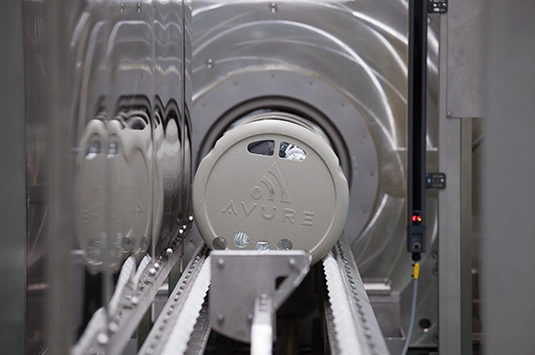
Space and installation requirements
An HPP system cannot be installed just anywhere. It is essential to consider:
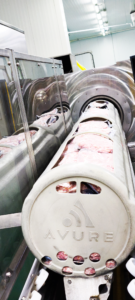
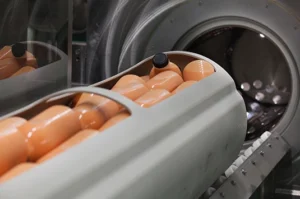
- Physical space: industrial HPP machines are of considerable size. A dedicated area with sufficient height and space for loading and unloading of product is required.
- Environmental conditions: controlled temperature, adequate drainage and structural resistance of the soil must be ensured, since heavy equipment is involved.
- Operational safety: a safety protocol for working with high pressures must be included, including delimited areas and access controls.
Recommendation: consult with the HPP supplier at the outset to adapt the space and ensure a smooth installation.
Integration into existing production lines
One of the most challenging aspects is getting HPP technology to integrate efficiently into established processes:
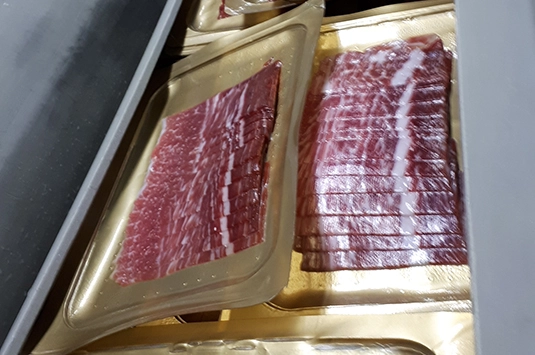
- Packaging adaptation: HPP requires products packaged in flexible and airtight materials, without air inside. May involve changes in packaging or heat-sealing machinery.
- Cycle times: each batch requires a few minutes of processing. Production planning must be adjusted to these rhythms to avoid bottlenecks.
Tip: prioritize a pilot phase or small batch testing before scaling up. This makes it possible to adjust processes without slowing down overall production.
Is it cost-effective to implement HPP?
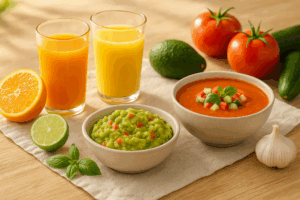
The adoption of HPP technology can provide a decisive competitive advantage in sectors such as meat products, fish and seafood, juices, fruits and vegetables, sauces, ready meals or cold creams and soups. But it requires sound planning, especially in terms of investment, operating costs, infrastructure and integration into existing processes.
If you are considering incorporating HPP technology into your production line, it is key to have a supplier with experience, technical support and long-term vision to accompany you throughout the adaptation process.
Do you have doubts or do you want to assess if HPP fits your production?

Empresa especializada en el proceso de pasteurización por altas presiones de todo tipo de alimentos como cárnicos, pescado, cremas, salsas, zumos y platos preparados.