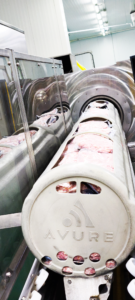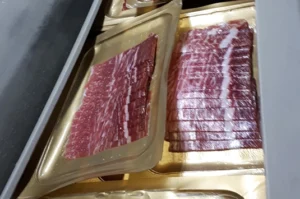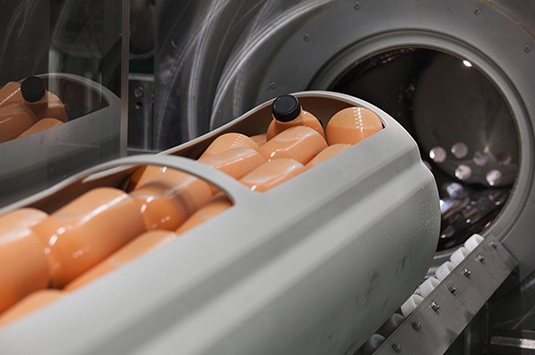
The high hydrostatic pressure high hydrostatic pressure processing (HPP) (HPP) has revolutionized food preservation by offering a non-thermal alternative that preserves freshness, flavor and nutrients while ensuring food safety. As the food industry evolves, it is essential to explore the latest research and developments in HPP and anticipate its future applications.
Recent advances in HPP technology
1. Expansion in ready-to-eat (RTE) foods and beverages.
Ready-to-eat products and beverages have been early adopters of HPP due to the demand for convenience and freshness. HPP allows extending the shelf life of these products without the need for preservatives, maintaining their sensory and nutritional properties. This is especially relevant in the current context, where consumers are looking for healthy and practical options.
2. Plant-based food applications and protein alternatives
The rise of plant-based diets has spurred HPP research to preserve the quality and safety of products such as plant-based meats and dairy alternatives. HPP helps maintain the desired texture and flavor, while ensuring the elimination of pathogens without affecting heat-sensitive nutrients.
3. Integration of artificial intelligence and automation
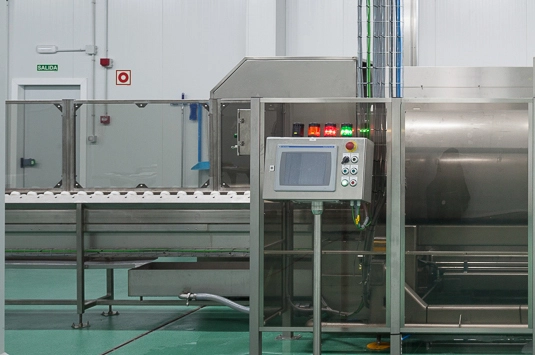
The incorporation of emerging technologies, such as artificial intelligence (AI), is optimizing HPP processes. AI makes it possible to monitor and adjust parameters in real time, improving energy efficiency and reducing waste. In addition, automation facilitates the integration of HPP into existing production lines, minimizing human intervention and associated errors.
erspectives for the future of HPP technology
1. Applications in the pharmaceutical and cosmetic industry
Beyond food, HPP is being explored for the preservation of heat-sensitive pharmaceuticals and cosmetics. Its ability to inactivate microorganisms without altering active compounds makes it a promising option for these sectors.
2. Combination with other conservation technologies
Current research is evaluating the synergy of HPP with other techniques, such as electrical pulses or mild heat treatments, to improve the efficacy in eliminating resistant spores and broaden the spectrum of products that can benefit from this technology.
3. Development of continuous and higher capacity equipment
HPP’s future includes designing systems that enable continuous processing, increasing production capacity and reducing operating costs. This is crucial to meet the growing demand for safe and minimally processed foods on an industrial scale.
Conclusion
The HPP technology technology continues to evolve, adapting to the changing needs of the industry and consumers. Its applications are expanding beyond traditional food, encompassing sectors such as pharmaceuticals and cosmetics. With the integration of advanced technologies and the development of more efficient equipment, HPP is positioned to play a key role in the preservation of sensitive products, offering sustainable and safe solutions for the future.
Are you interested in implementing HPP technology in your production process?

Empresa especializada en el proceso de pasteurización por altas presiones de todo tipo de alimentos como cárnicos, pescado, cremas, salsas, zumos y platos preparados.